
Royalty-Free Horror Music for Dark Scenes
Pick music that supports the scare without pulling attention away from the scene

Horror music tells the viewer that something feels wrong before the scene shows the threat. It can make an empty hallway feel watched, a quiet room feel unsafe, or a dark reveal feel worse than expected.
Use royalty-free horror music when your film, trailer, short, YouTube video, or client edit needs fear, dread, and pressure. This page helps you choose music for haunted spaces, jump scares, stalking scenes, abandoned locations, supernatural moments, dark openings, and unsettling reveals.
Choose horror music when the scene needs danger
Horror music should make the space feel hostile.
A shot of an abandoned hospital can look quiet on its own. Add the right low drone, distant hit, or uneasy texture, and the same shot starts to feel occupied. The viewer begins to expect movement in the corner of the frame.
That is the job of horror music. It tells the audience that silence is not safe.
For haunted spaces, look for tracks with slow movement, low tones, distorted textures, and sparse hits. The music should leave room for footsteps, door creaks, breathing, and room tone.
For stalking scenes, choose a track with pulse and restraint. The rhythm should suggest movement without turning the scene into an action sequence. A slow throb, scraping texture, or repeated low note can keep the viewer locked into the pursuit.
For abandoned locations, use music that feels empty but tense. Long drones, distant metallic sounds, and cold pads can make a warehouse, cabin, tunnel, or basement feel wrong before anything happens.
Horror music works best when it supports the threat already in the scene. The track should make the audience lean forward, not explain the whole scare by itself.
Match the track to the scare
Different horror scenes need different pressure.
A jump scare needs timing. The music may drop out before the hit, swell toward the reveal, or use a sharp sting at the exact moment the threat appears. For a short film, trailer, or social teaser, this can make the cut feel clean and intentional.
A supernatural moment needs a different shape. The viewer may see a shadow move, a figure appear, or an object shift on its own. In that case, choose music with strange textures, stretched tones, or uneasy harmonics. The track should make the scene feel unnatural.
A dark opening needs music that sets the story’s danger early. The first shot might show a house at night, a missing-person board, a quiet road, or a character entering a place they should leave. The music should set the threat without using the biggest scare too early.
An unsettling reveal needs control. The scene might show a hidden room, a message on a wall, a body-shaped shadow, or evidence that someone has been inside the house. The music should let the viewer process the discovery, then increase the dread.
Use this simple match:
- Haunted space: slow drone, cold texture, sparse hits
- Jump scare: silence, rise, impact, short sting
- Stalking scene: low pulse, restrained rhythm, close pressure
- Abandoned location: empty tone, metallic detail, distant movement
- Supernatural moment: warped sound, strange pitch, unnatural texture
- Dark opening: low dread, slow build, restrained threat
- Unsettling reveal: quiet start, gradual pressure, darker finish
The right horror track makes the scare feel earned.
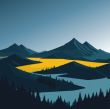
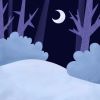
8 Horror Tracks for Scenes That Should Feel Unsafe
These tracks work best for haunted spaces, dark openings, stalking scenes, abandoned locations, and slow reveals where the viewer needs to feel that something is wrong.






Keep horror separate from general suspense
Suspense and horror can sit close together, but they do different jobs.
Suspense creates uncertainty. It makes the viewer wonder what will happen next.
Horror creates threat. It makes the viewer feel that something bad is near.
Use suspense music for detective scenes, tense waiting, hidden information, or a character trying to make a risky choice. Use horror music when the scene includes fear, dread, danger, supernatural pressure, or a space that feels unsafe.
A mystery scene may need curiosity. A horror reveal needs danger.
A dramatic scene may need emotional weight. A horror opening needs fear.
A thriller scene may need momentum. A stalking scene needs closeness and threat.
This page should stay focused on horror. If the scene feels tense but not scary, the suspense or mystery collection may fit better.
Best fit: horror tracks that leave room for the scene
The safest creative choice is usually a horror track that supports the edit instead of filling every second.
For film scenes, leave space for dialogue, footsteps, doors, breaths, wind, and small sound design details. A track that never stops pushing can flatten the scare. A track with restraint gives the editor more control.
Look for horror music that gives you:
- a clear opening texture
- room for natural sound
- a useful rise before the scare
- a sting or hit for the reveal
- a darker section for the aftermath
- an ending that can cut cleanly
For a YouTube horror short, you may need a track that sets fear fast. An indie film scene may call for a longer track with slow development. A trailer may need stronger hits and sharper transitions.


