
Royalty-Free Adventure Music for Epic Journeys
Choose music for movement-led scenes

Adventure music works best when the scene needs motion, curiosity, and a clear sense of progress. A road trip montage, hiking sequence, travel vlog, documentary map move, or discovery moment all need music that feels like the story is going somewhere.
The right track can make a small journey feel intentional. It can make a quiet trail, open road, or new city feel bright and active.

Choose adventure music when the scene is going somewhere
Adventure music fits scenes that move from one place, idea, or moment to another.
That could mean a van driving through mountain roads, a backpacker crossing a ridge, a YouTube creator arriving in a new city, or a documentary moving across a map. The music should give the viewer a feeling of progress.
A good adventure track often has a steady pulse. It may use acoustic guitar, light percussion, piano, strings, bells, or cinematic pads. The point is movement, not force.
For a road trip montage, pick a track with rhythm and lift. For a hiking scene, choose something more natural and open. For a documentary discovery scene, use a track that builds slowly as the subject becomes clearer.
Keep adventure separate from action, epic, and fantasy
Adventure can be bright, curious, cinematic, or exploratory. It does not need to sound like a chase, battle, or trailer.
Use action music when the scene needs speed, conflict, danger, or impact. Use fantasy music when the world feels magical, mythical, or otherworldly. Use dramatic music when the scene carries emotional weight or serious stakes.
Adventure music sits in a different place. It supports travel, searching, learning, and discovery.
A brand video about a founder visiting suppliers may need adventure music with warmth and motion. A travel creator crossing a national park may need something open and scenic. A short film showing a character leaving home may need a gentle track that feels hopeful instead of intense.
Match the track to the type of journey
Start with the footage.
For road trips, look for music with a steady drive. The rhythm should support cuts between roads, gas stations, windows, landscapes, and arrival shots.
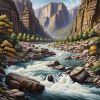



For hiking scenes, choose music that feels grounded. Acoustic instruments, organic percussion, and light melodic movement often work better than heavy cinematic drums.


For map-style movement, use a track with a clean pulse and gradual build. The music should make the movement easy to follow without making the map feel like a trailer.


For discovery moments, leave room for the reveal. A track that starts small and opens up can help the scene breathe.